SEO for Wedding Planners
Are you a wedding planner who wants to show up on Google? Search Engine Optimization is what it takes! When you work on your wedding planner SEO, it means you are using techniques that will influence Google to show your website in the searches that your ideal clients do every day.
As a wedding SEO specialist, I have worked with hundreds of wedding planners and other wedding businesses. I know the techniques that work to bring in engaged couples searching online. I want to teach those to you, because I see the power of SEO to drive thousands of inquiries.

And—the best thing about SEO is that that visibility is free! If you set your SEO up right, you can bring in thousands of local visitors to your website every year, for years to come.
So let’s talk wedding planner SEO to help your business website rank higher and bring in more traffic.
7 Tips for Better Wedding Planner SEO
Use your main wedding planner keyword on your home page
This one seems obvious, but I am always surprised in auditing client sites how many planners miss this one.
If you want to be found for a phrase like “Knoxville wedding planner,” you have to use that phrase on your website.
In working to stand out and be unique, you might be tempted to write something flowery like “We coordinate heartfelt celebrations.” But—if SEO matters to you, you need to be a little more literal for Google.
Make sure you write that you are a “Knoxville wedding planner” in the text on your home page. Bonus points for also including that phrase in your home page meta title and meta description.
Set up and fill out your Google Business Profile listing
When you want to rank in a certain city or local area, it’s important that Google understands where you’re located and where you work.
To get on their “map,” I highly recommend you set up a Google Business Profile. It’s free and will take maybe 30 minutes to do well. Here are basic Google Business Profile setup instructions.
For wedding planners, here are my tips for your listing:
- Set your primary category as “Wedding Planner” if you want to be found for wedding planner searches (use “Event Planner” as your primary category only if it’s more important for your business to show up for event planner searches).
- Make sure to upload photos of your best work. Upload at least 10 photos when you set up your listing. If you can, return every couple months to add a few more, so it stays fresh.
- Don’t miss the “Description” field. Here, you can write a nice description of your business to attract attention in the search results. Include the main cities you serve.
Ask for reviews on Google
Reviews on Google will really help your listing to rise in the Google map results. Make sure to ask past clients and any other business contacts to review you.
I highly recommend creating a Google review link that you can send with your request, so it’s easier for your reviewer.
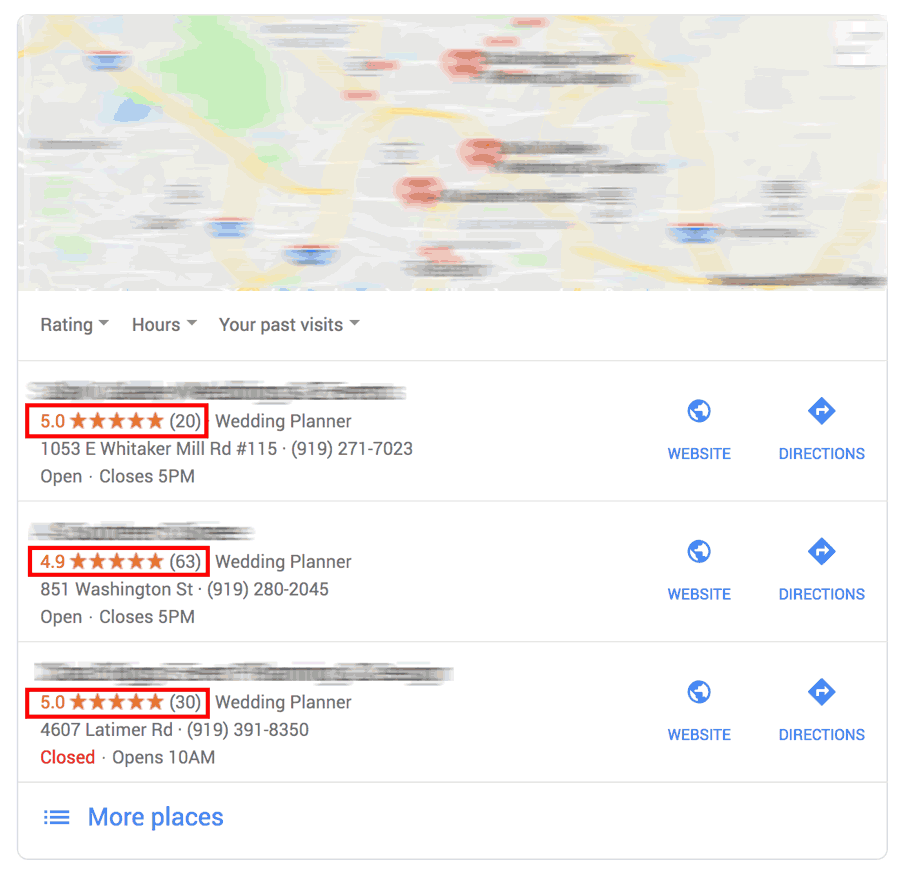
Not only do reviews help you show up more often and higher on Google, having the best rating or the most reviews can help attract clicks to your listing instead of your competitors’.
I know getting more online reviews can feel like a hassle, so check out my 3 easy ways to get more Google reviews.
Don’t forget about image SEO
From team headshots to wedding galleries, images are a huge part of your website’s visual appeal. They help showcase your work, connect with potential clients, and reinforce your brand’s style. But images do more than just look pretty — they also plan an important role in your SEO!


To optimize your images for search, focus on two key steps:
- Use descriptive filenames with relevant keywords before uploading your image (e.g. dallas-wedding-reception-details.jpg instead of IMG_3427.jpg).
- Add keyword-rich, accurate alt text to a handful of images on every page and blog post you want to rank on Google.
Alt text is important for accessibility, as it describes your image for visitors who use screen readers. However, it also helps search engines understand what your image represents. Avoid keyword stuffing, and instead focus on writing natural, descriptive phrases that reflect the content of the image and support your SEO goals.
Make sure your website loads quickly
Google wants to send visitors to websites that are easy to use and quick to load, on computers and on mobile phones. If your website loads slowly, it may not rank as well as it could.
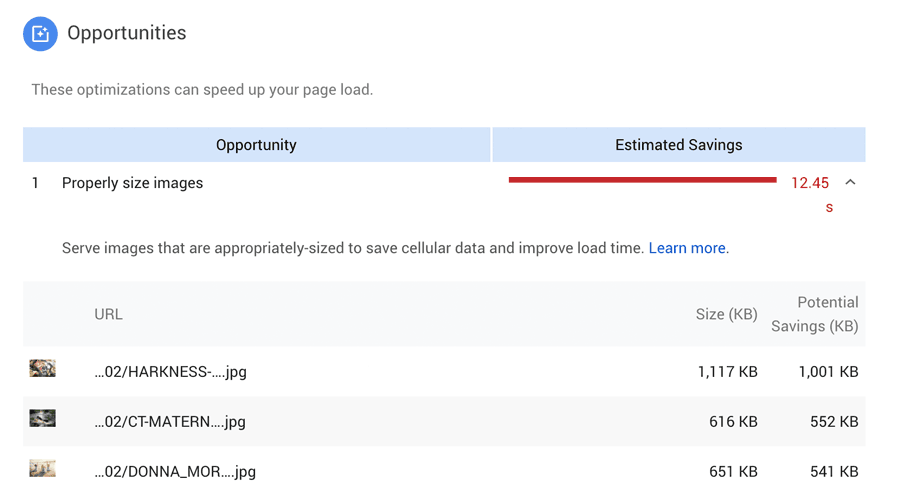
You can use PageSpeed Insights to test how quickly your website loads. Type in your website’s home page URL and click “Analyze.”
Yes, some of the results will sound like Greek to you (some of it does to me too). But specifically look for anything you understand, like “Properly size images.” If you see this warning, you can click it to find images you’re using that may need to be resized.
Confirm your website is mobile-friendly
Did you know that Google crawls the mobile version of your website to decide where and how to rank your content? That means if your mobile experience is clunky, disorganized, or missing important content (like hidden canvases or broken links in menus), it can hurt your visibility — even if your desktop site looks perfect.
Take a few minutes to browse your website on your phone (and tablet, if you can). Check for:
- Proper header formatting and content flow
- Overlapping or hard-to-read-text
- Menus and links that work and are easy to navigate
- Easy-to-find information like your services and contact details (I like to put a “Contact” link in the footer so it’s easy to find at the bottom of your site)
Your mobile site doesn’t need to be identical to your desktop version, but it does need to be clean, functional, and easy for users (and Google!) to understand.
Keep your blog updated
Try to add fresh content to your website at least once a month. This content might be wedding blog post recaps or helpful articles with your wedding planning advice.
Stuck on what to write? Here are 11 Wedding Planner Blog Post Ideas to Improve Your SEO
Websites with more high-quality content tend to rank better than websites that are small and rarely updated. So check out my guide to blog post ideas for wedding planners and plan out your next 6 months of content.
When trying to come up with blog post ideas, ask yourself:
- What information do couples want to know before they hire me?
- What advice could I share that is local to my area, city, or state? (this makes for unique content and positions you as the local wedding planning expert!)
Still, just writing doesn’t guarantee SEO success. Make sure you’re using the right keywords: The Right Keywords to Use On Your Event Company Blog

Top Wedding Planner SEO Keywords
When couples are searching for a planner, they often search phrases like:
- wedding planner
- wedding planning
- wedding coordinator
- day of wedding coordinator
- event planner
- event planning
However, make sure to think beyond these keywords! You can bring in tons of traffic to your website by blogging and answering questions people often search for online.
Think about topics that couples may search for in the early stages of their engagement — before they even begin researching wedding vendors. Things like:
- Venues in your area
- The best month for weddings in your area
Put yourself in the shoes of a newly engaged couple. If your blog content answers their questions early in the planning process, you’ll build trust and increase the chances they’ll reach out when they’re ready to hire a wedding planner.
Local SEO for Wedding Planners
While the keywords listed above are a great starting point, the most effective SEO strategy is one that attracts local traffic — because those are the clients who can actually book you!
Whether you’re a wedding planner in Houston, Grand Rapids, or Tucson, optimizing for your specific city, state, or region will help Google connect you with couples planning weddings in your area. This is true even if they don’t live there! Many people plan destination weddings from afar and search for wedding planners familiar with the area.
Simply put, getting website traffic from Chicago won’t do much for your business if you only serve the Bay Area. Local SEO ensures you’re showing up in searches that actually lead to bookings.
To attract these local searches, use location-based keywords. That might look like:
- Napa Valley wedding planner
- Austin wedding coordinator
- Destination wedding planner in Charleston, SC
- Toronto day-of wedding coordinator
These types of location-specific phrases help Google understand where you work, while helping couples find you more easily when searching in your area.
Another key part of local SEO? Keeping your Google Business Profile up to date. This free listing helps you show up in the map results at the top of search and can boost your visibility in your local market. Make sure your business name, service area, and contact details are current — and don’t forget to upload fresh photos regularly!
Reviews also play a major role in how often and how high you appear in local results, so make it a habit to ask happy clients for Google reviews.


How to Track Your Wedding Planner SEO Rankings
When you’ve put time and energy into improving your website’s SEO, it’s only natural to wonder: Is it actually working?
Your first instinct might be to hop on Google and search your top keywords to see where your site shows up. But hold on! The results you see are likely skewed. That’s because Google personalizes search results based on your location, browsing history, and the sites you visit most (including your own!).
In other words, what you see isn’t necessarily what your potential clients see. So while it’s tempting to “search and scroll,” it’s not the most reliable way to measure your progress. Instead, here are three simple ways to get a clearer, more accurate picture of your wedding planner SEO results:
- Use a rank tracker like Ubersuggest to monitor rankings over time. These tools let you enter the phrases you want to rank for and track your exact position on Google.
- Set up Google Search Console to see how many people are finding your site in search. This free tool tracks your clicks and impressions on Google and shows which keywords are actually bringing traffic to your site.
- Track your inquiries by asking couples how they found you. Add a simple “How did you hear about us?” question to your contact form, and make sure “Google” is one of the options. Over time, you’ll start to see patterns that show how your SEO is contributing to your bookings.
Want a more detailed breakdown of these steps? Check out my full guide to tracking your SEO progress and how to check your ranking on Google.
Why Wedding SEO Matters
If you’re relying only on referrals, Instagram, or paid ads to bring in new clients, you could be missing out on a steady, reliable stream of inquiries — without paying for every click.
Here’s why SEO is one of the smartest long-term marketing strategies for wedding planners:
Couples are searching for you
Every day, newly engaged couples are Googling terms like “wedding planner in [your city].” If your site isn’t showing up, they’ll find someone else’s. Help your ideal clients find you by focusing on your SEO performance.
SEO traffic is free
Once your SEO is in place, you don’t have to keep spending money to get website traffic. You can rank on Google and receive inquiries for months (or years!) without ongoing ad spend.
You’ll attract the right clients
By optimizing for specific services and locations, you can connect with couples who are a perfect fit for your business, your style, and your pricing.
It builds long-term visibility
While social media posts disappear after a few days, a well-optimized blog post or service page can bring traffic for years to come.Best of all, SEO is completely 100% learnable. With a few consistent steps and the right tools, you can grow your visibility, inquiries, and bookings—without burning out on content or chasing the algorithm.

Wedding Planner SEO FAQs
Start by thinking about the questions your clients ask you during the planning process, as those are often what they’re going home to Google too. You can also use tools like Ubersuggest and SEMRush to discover commonly searched phrases related to wedding planning in your area.
No, not directly. Google doesn’t use your follower count or engagement rate as a ranking factor at all. However, social media can indirectly help your SEO by increasing brand awareness, getting more eyes on your content, and encouraging people to search for you by name.
Want to get more eyes on your Instagram? We recommend including your most important keyword in your profile name (not the handle) to help Google understand the type of content people can find on your feed.
SEO is a long game. Most wedding pros start to see early signs of improvement (like better rankings or more clicks) within 3-6 months. For more competitive keywords or brand-new websites, it might take longer. However, rest assured that the results compound and can last for years!
Nope! Search Engine Optimization focuses on the free techniques we can use to get more exposure in search results. This is different than paying for advertising.
Absolutely! But be careful—the wedding industry is unique, and you will be best served by hiring an SEO specialist who understands wedding businesses and how couples search. I highly recommend our wedding SEO services, whether you’re looking for a done-for-you SEO solution or you prefer a DIY approach to SEO.
Helpful SEO Articles for Wedding & Event Planners

- Why Wedding Pros Should Actually Learn SEO
- 5 Ideas for What to Write In A Featured Wedding Blog Post
- The Right Keywords to Use On Your Event Company Blog
- 9 Ranking Factors that Influence Your SEO
Get Help With Your SEO
- Get free SEO help during my next SEO Lunch & Learn, my monthly live SEO class.
- Let us do it for you! As a wedding planner SEO expert, my team and I offer done-for-you wedding SEO services. Click here to get pricing.
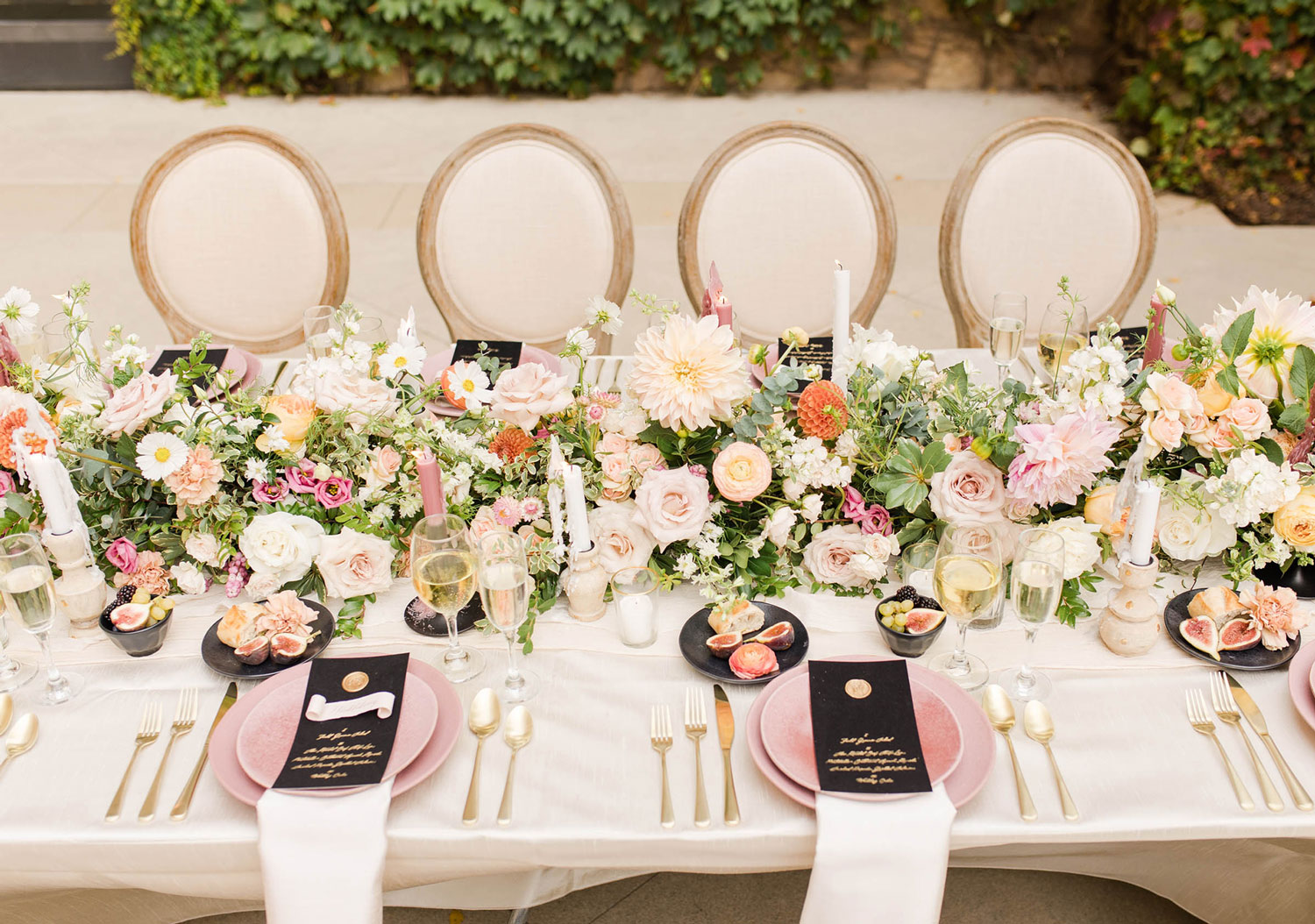
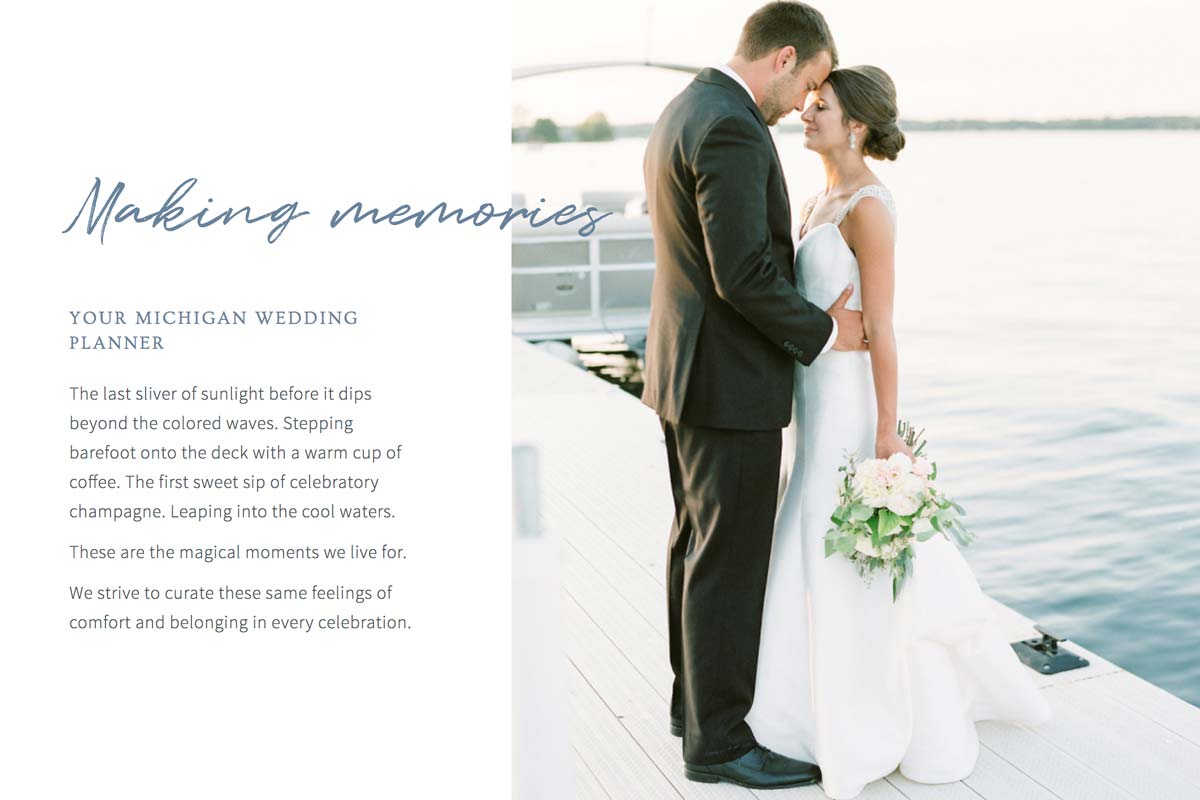
Big thank you to Starling Studio for the wedding photos used on this page.